Digitalization
Using AI to avoid workplace accidents waiting to happen
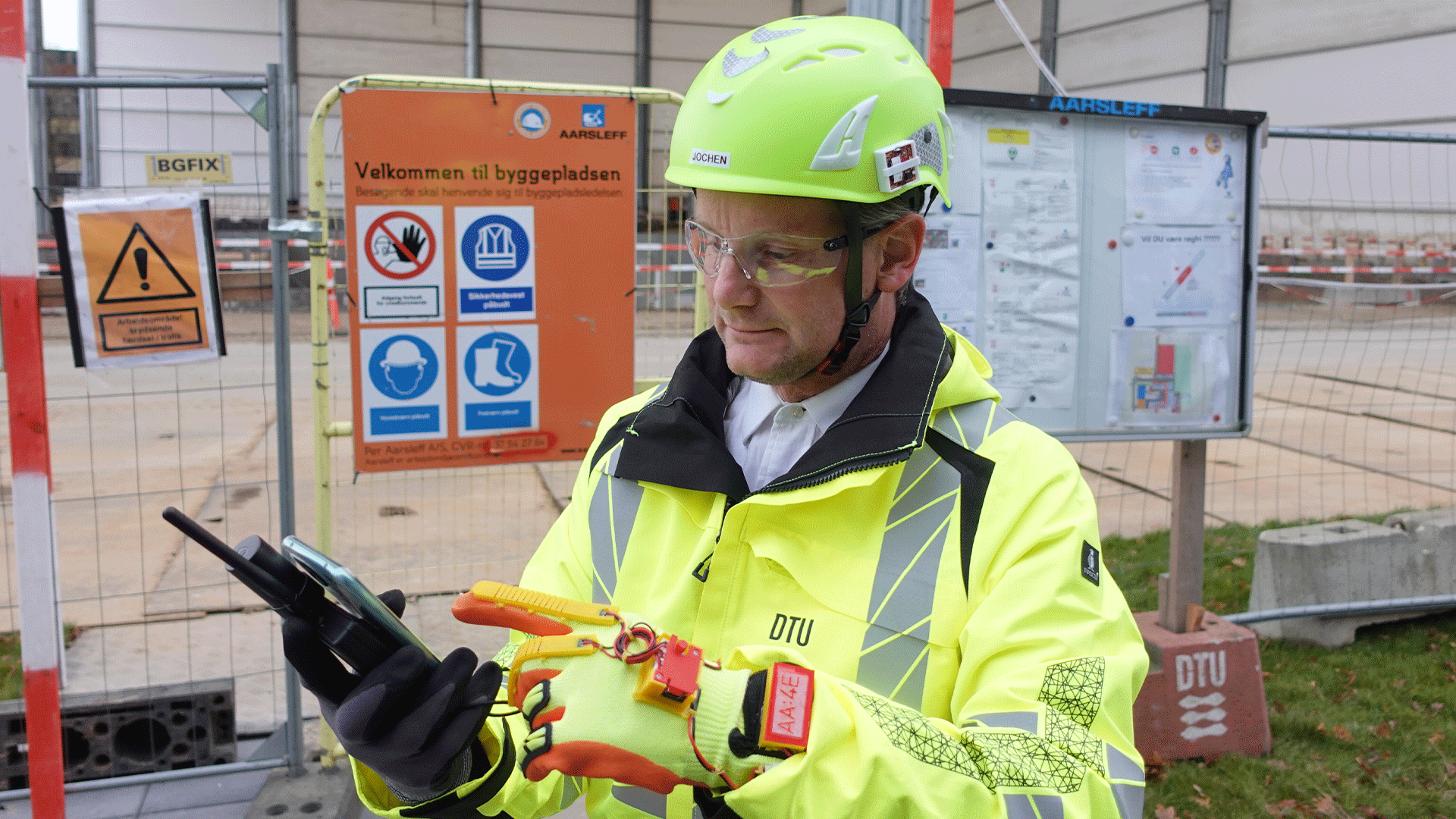
Almost like an action hero saving people from harm, Professor Jochen Teizer develops and uses smart tech to predict and prevent accidents on construction sites.
Costly wrong choices
Jochen Teizer knows too many stories of how costly getting it wrong can be—like an explosion at a chemical manufacturing plant in Germany in 2016 where a worker was sent to cut a pipe but mistakenly selected the wrong one, causing an explosion that killed five people.
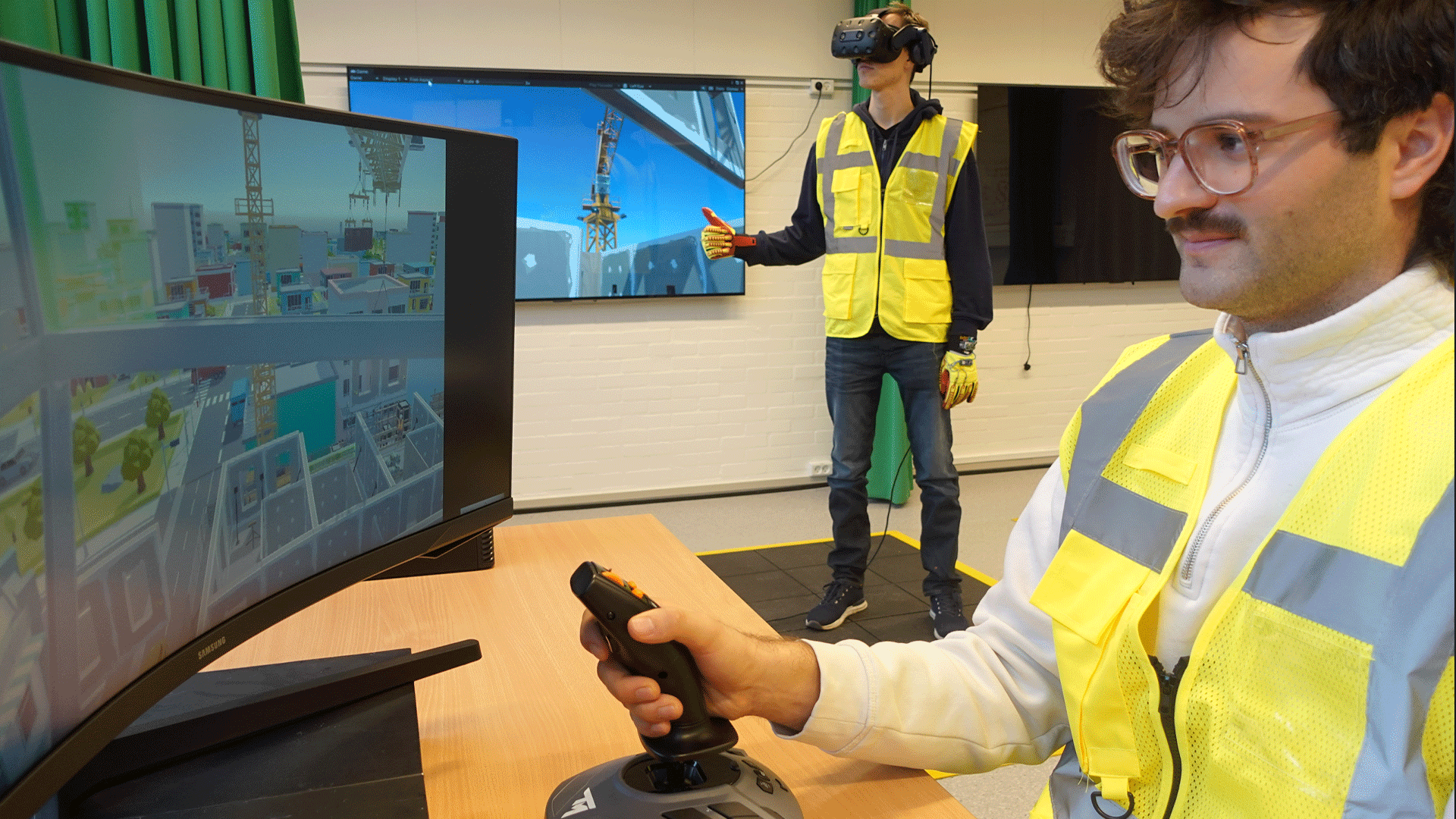
“With VR you can give workers training ahead of time by drawing on the real information about what the construction site will look like in a few days and actually simulate hazards beforehand. Maybe not on everything, but the critical tasks based on the prior AI-supported risk assessment,” he explains and continues.
“The idea is that we let people experience real-life hazards in virtuality before it hopefully never happens in reality, because it’s safe to get really hurt in the virtual environment where they can hopefully learn from their experiences.”
Slow innovation
According to Jochen Teizer, turning a good idea into a commercial product in the traditional construction industry is a slow process that can easily take 20 years. Take the hard hat for example, which was invented more than a century ago and looks pretty much the same today—even though inventions like the professor’s smart hard hat have been developed.
“There is a solid business case for a successful research to practice transfer, but we need manufacturers to engage in producing robust technology from research prototypes and finally turn them into commercial products,” he explains.
To speed up the pace of innovation in construction, end-users need to start demanding these products, which the professor believes is a good idea, as empirical evidence shows investing in them pays off by at least three to four-fold, resulting from increased productivity gains due to better workplace organization.
Furthermore, he is in discussions with leading industry players about setting up a national construction academy aimed at sharing common issues in the fragmented construction industry as well as creating and implementing simple-to-use solutions that eventually deliver construction projects on time, within budget, and safely.
Contact
Jochen Teizer Professor Department of Civil and Mechanical Engineering teizerj@dtu.dk